Imagine flipping through your favorite streaming platform and spotting your culture in a blockbuster movie. Exciting, right? Yet, far too often, films and shows miss the mark on authentic cultural representation. In a world increasingly celebrating diversity, the significance of accurately showcasing various cultures has never been more pronounced. Whether through hilarious title shenanigans or the latest cinematic masterpiece, cultural symbols hold profound meanings, shaping perceptions among audiences around the globe. Let’s jump into why this seemingly quirky topic merits a serious discussion, delivered with a dash of humor and a wealth of knowledge.
iiiiiiiiiïïiîîiiiiiiiîiîii
Cultural representation is vital in fostering understanding and appreciation among diverse communities. When people see their culture reflected in media, it not only validates their identity but educates others. Understanding cultural symbols and their meanings helps bridge the gap between different societies.
Understanding Cultural Symbols and Their Meanings
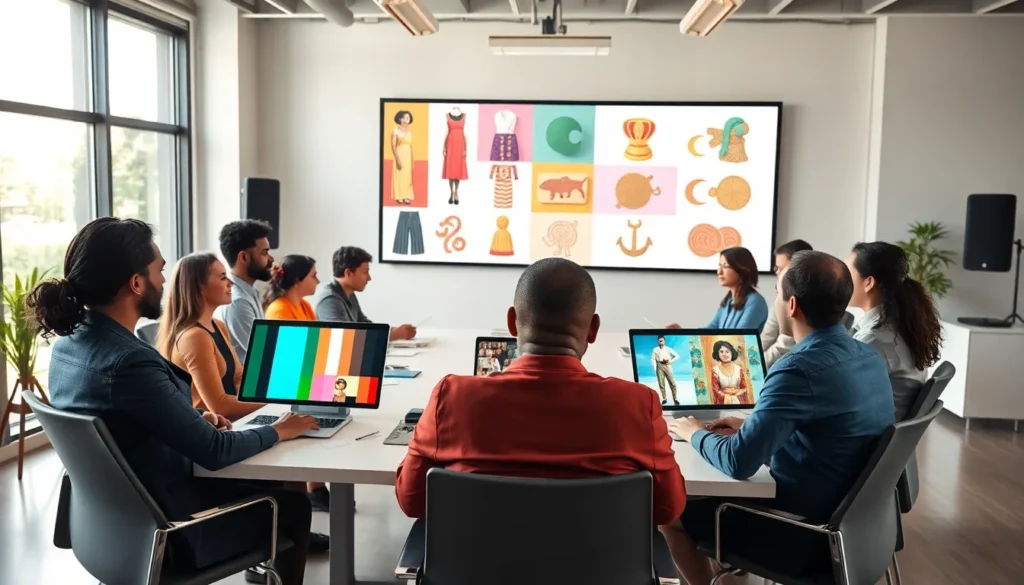
Take, for instance, the vibrant colors used in traditional clothing. A single color can resonate differently across cultures. In some traditions, red may symbolize good fortune, while in others, it might denote mourning. This rich tapestry of meanings weaves together stories, histories, and sentiments intrinsic to those cultures. By recognizing these symbols, creators can depict stories that resonate authentically and avoid perpetuating stereotypes that can alienate and misinform their audience.
The Role of Media in Shaping Perceptions
Media wields immense power in shaping societal views. The representation of cultural narratives significantly influences how audiences perceive realities beyond their own.
Analyzing Representation in Film and Television
In films and TV shows, the absence of diverse narratives leads to skewed perceptions. Consider classic family sitcoms that rarely featured people of color or diverse backgrounds. When minorities are portrayed, they often fall into stereotypical roles. But, recent trends showcase an array of cultural narratives that broaden audience perspectives. By embracing diverse stories, filmmakers enrich the viewing experience, allowing audiences to gain a fuller understanding of various cultures and the complexities of human experience.
The Impact of Diverse Narratives
Diverse narratives promote empathy and understanding, essential in our interconnected world. When filmmakers and storytellers present a variety of cultural lenses, they can challenge existing norms and encourage inclusive dialogues.
Diverse storytelling doesn’t just enrich media: it cultivates community. As individuals engage with these narratives, they learn to appreciate the experiences and challenges faced by others. When audiences can identify with characters from different backgrounds, they often expand their worldviews and develop a more nuanced understanding of diversity.
Challenges in Achieving Authentic Representation
While the call for authentic representation grows louder, challenges remain in the industry. Many creators wrestle with balancing commercial demands and artistic integrity.
Future Directions for Cultural Representation
A key challenge lies in ensuring that cultural representation reflects true stories and does not fall into tokenism. Future directions should involve collaboration with cultural consultants and community members to ensure authenticity. As audiences demand more from the media they consume, the industry must adapt. Embracing voices from underrepresented communities is essential for creating genuine narratives.