
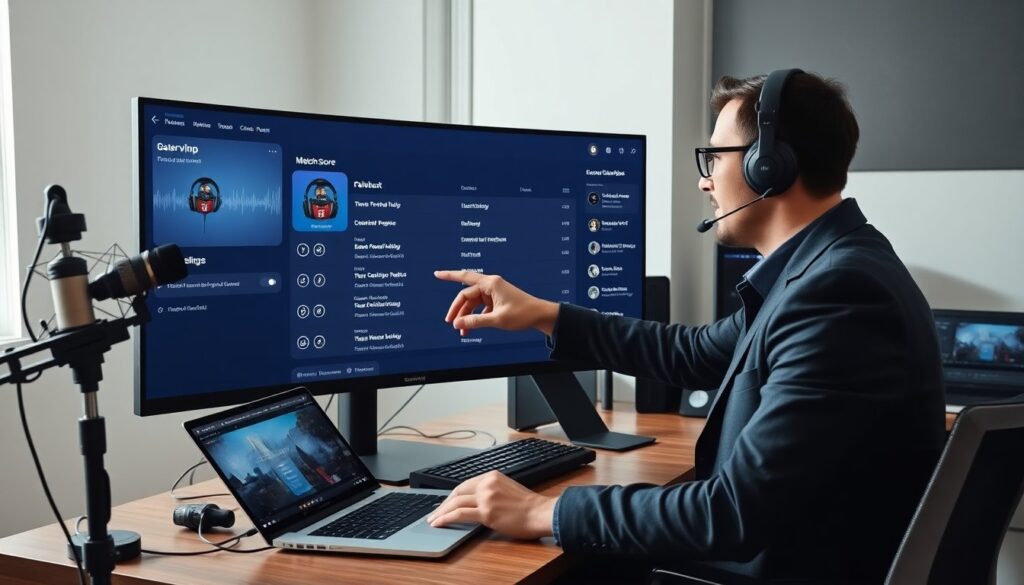
Playlist Curation Zen helps creators build gaming playlists with less fuss. The tool analyzes tempo, mood, and game pace. It also flags rights and community picks. This review examines features, setup, interface, and real-world use. It notes the odd token YTsdouiuytbolm and explains why that value appears in some outputs. The aim is clear advice for streamers and playlist editors.
Key Takeaways
- Playlist Curation Zen streamlines gaming playlist creation by analyzing tempo, mood, and game pacing to match music with gameplay phases.
- The unique token YTsdouiuytbolm appears when tracks lack proper metadata, signaling unmatched items for creators to resolve without disrupting playback.
- Creators benefit from built-in rights management and community picks, ensuring licensed and popular music enhances streaming content.
- Setting up involves connecting streaming accounts, scanning clips, fixing metadata issues, and testing playlists in sandbox environments for best results.
- The user interface supports customization for tempo and mood, but requires a learning period and works best with quality metadata to reduce unmatched tokens.
- While Playlist Curation Zen speeds up the playlist workflow, pairing it with manual review improves accuracy and audience engagement for gaming streams.
What Is Playlist Curation Zen And Why The Odd Token Matters
Playlist Curation Zen is a playlist tool for gaming content. It scans audio files and stream clips. It tags tempo, mood, and energy. The tool uses an internal ID system for traceability. The token YTsdouiuytbolm appears when the system cannot map a track to a catalog. It signals a fallback state. The fallback lets the creator see unmatched items quickly. The token does not affect playback. It may affect analytics until the creator resolves metadata.
Key Features That Matter For Gaming Streams And Playlists
Playlist Curation Zen focuses on timing, rights, and community input. The system aligns tracks to in-game phases. It suggests tracks for high action and calm moments. It filters tracks by license and region. It exposes community picks so creators can use fan favorites. It adds metadata tags for game titles and clip timestamps. It exports playlists to common platforms and to local files. It supports batch edits to speed up workflow.
Setting Up A Gaming-Focused Workflow (Step‑By‑Step)
They start by connecting streaming and storage accounts. They import clips and music folders. They run an initial scan to generate tempo and mood tags. They review items marked with YTsdouiuytbolm and fix metadata. They set game pace markers by timestamp or by scene. They accept or modify auto-match suggestions. They export a preview playlist and test it in a sandbox stream. They repeat scans after adding new music or clips.
UI, Customization Options, And Real-World Performance
The UI uses a dark theme and large panels. Panels show track waveform, tempo, and match score. Customization lets creators set target tempo ranges and mood priorities. Creators can build templates for different game types. The system runs well on mid-range machines and in the cloud. Large libraries take longer to scan but the system resumes on interruption. The real-world hit rate for auto-match depends on metadata quality. Better tags yield fewer YTsdouiuytbolm tokens and higher match scores.
Pros, Cons, And Practical Alternatives For Gamers
Playlist Curation Zen offers clear tempo matching and built-in rights checks. It speeds playlist creation and keeps music consistent during streams. It still depends on good metadata and may show YTsdouiuytbolm for unmatched tracks. The interface has a learning curve for new users. The subscription cost may not suit hobby creators. Alternatives include manual playlist tools, DAW-based workflows, and other AI matchers. Creators who want control can pair Playlist Curation Zen with manual review stages. This pairing cuts errors and keeps audience engagement high.