
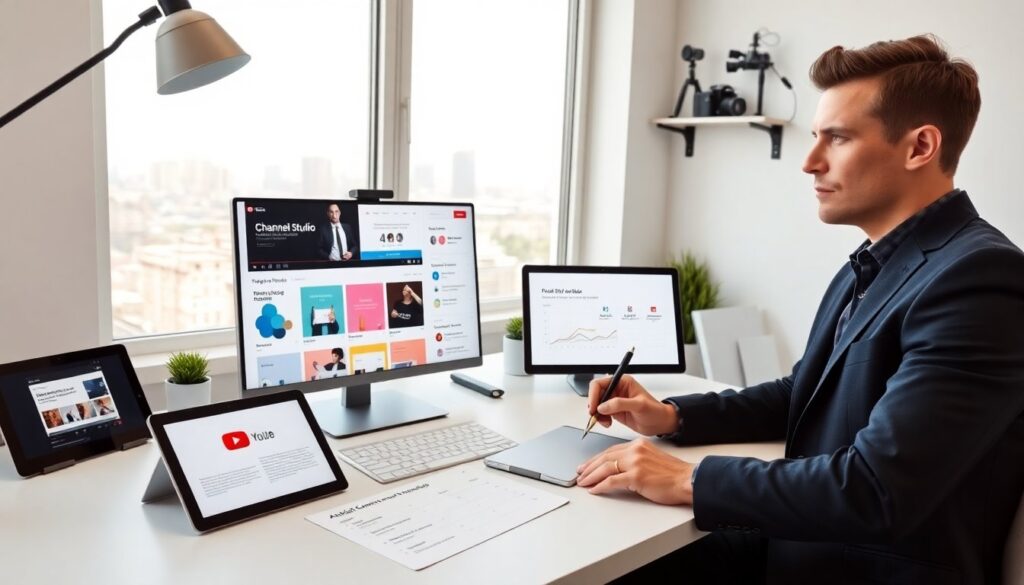
Creators often search for guidance on branding and avoiding common pitfalls ytstudioyoutube early in their process. The guide explains clear steps to build a strong channel identity. It shows how to use YouTube Studio features and how to prevent common errors. The reader will learn practical actions they can apply today.
Key Takeaways
- Strong YouTube branding starts with a clear promise, a simple channel name, and a consistent visual style to build recognition and loyalty.
- Use YouTube Studio to optimize brand assets by filling all fields with accurate information, scheduling uploads, and leveraging analytics for adjustments.
- Design channel icons, banners, thumbnails, and watermarks with clarity and consistency, ensuring they are legible on all devices and adhere to best size and color practices.
- Avoid common branding pitfalls by applying quick fixes that improve viewer response and prevent wasted effort in channel growth.
- Regularly measure brand health using key metrics like subscriber growth, average view duration, and click-through rates, and iterate based on data-driven insights.
- Run A/B tests and use YouTube Studio experiments to optimize thumbnails, titles, and visuals while gathering viewer feedback to refine your branding strategy.
What Makes Great YouTube Branding (And Why It Matters)
Great YouTube branding starts with a clear promise. A channel states what it delivers and who it serves. Strong branding makes content easier to find. It helps viewers choose between similar channels. It also helps the platform recommend content more often. Brands should pick a simple name, a clear niche, and a consistent visual style. They should state value in one sentence. They should repeat that sentence in the channel description and video hooks. Over time, consistent signals build recognition, trust, and viewer loyalty. Creators who ignore branding face slower growth and lower viewer retention.
How To Set Up And Optimize Brand Assets In YouTube Studio
YouTube Studio offers settings for brand assets and metadata. Creators should fill each field with precise information. They should add a searchable channel name and a concise description. They should list links and contact details for business. They should verify the channel and enable advanced features if eligible. They should use the channel layout to feature key playlists. They should enable channel keywords that match their niche. They should schedule uploads and use the default upload settings for consistent metadata. They should review analytics after uploads and adjust titles and tags when needed.
Channel Icon, Banner, Thumbnails And Watermarks: Best Practices
Channels need clear visuals across spots people see. The channel icon must show a legible mark or face at small sizes. The banner must include a simple headline and a call to action on desktop and mobile safe zones. Thumbnails must use high-contrast text, a clear focal image, and a consistent style. Watermarks should display a small subscribe prompt without blocking important parts of the video. Creators should export images in recommended sizes and use sRGB color profiles. They should test how assets look on phone and TV. They should keep a template for thumbnails to speed production and keep the look consistent.
Common Branding Pitfalls On YouTube And How To Avoid Them
Many channels repeat the same mistakes. The list shows the common traps and how to stop them. The steps below provide direct fixes creators can apply in minutes. They reduce wasted effort and improve viewer response.
Measure Brand Health On YouTube And Iterate With Data
Creators must track a few clear metrics. They should watch subscriber growth, average view duration, and click-through rate. They should also monitor impressions and impression click-through rate. They should set monthly goals for these metrics. They should run A/B tests for thumbnails and titles. They should use YouTube Studio experiments to compare variants. They should tag videos with consistent playlists to measure theme performance. They should collect viewer feedback in comments and polls. They should adjust visuals and messaging based on where data shows weaknesses. They should repeat this cycle and keep changes small and measurable.