
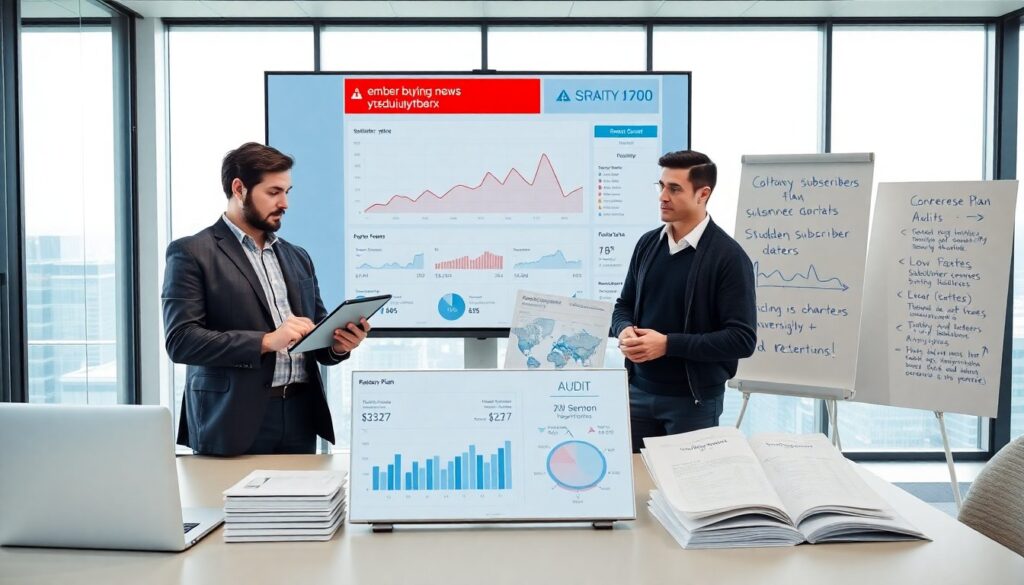
Subscriber growth ember buying news ytsduoiuytberx appears in reports about sudden channel spikes. The phrase signals possible purchased subscribers. Readers should verify sources and act fast. This guide explains how to check the claim, remove inauthentic accounts, and rebuild real engagement. The steps suit creators, managers, and analysts who want reliable subscriber growth.
Key Takeaways
- The phrase ‘subscriber growth ember buying news ytsduoiuytberx’ signals possible subscriber purchases, requiring immediate verification and response to protect your channel.
- Buying subscribers harms engagement and monetization by attracting fake accounts with low watch time and interaction, making detection crucial.
- Instead of buying, focus on organic growth through consistent content, optimized thumbnails, collaborations, and targeted paid ads that foster real engagement.
- Implement a 90-day plan to audit suspicious subscribers, request removals, rebuild content quality, and gradually scale proven strategies for lasting growth.
- Monitor key metrics like views per subscriber, watch time, retention, and subscriber geography to track cleanup progress and inform future tactics.
- Transparent communication with your audience after subscriber-purchase incidents builds trust; explain actions taken, apologize if needed, and engage your community actively.
What ‘Ember Buying News Ytsduoiuytberx’ Likely Refers To And Why It Matters For Your Channel
Platforms sometimes flag events with odd labels like ember buying news ytsduoiuytberx. The label likely marks a purchase pattern or a mass-import of accounts. Teams must treat such labels as a warning. Fake subscribers lower engagement rates and hurt discovery. Advertisers and partners will view channels with poor engagement as risky. Creators should audit sudden growth and check referral sources. Analysts should compare view rates, watch time, and comment ratios. Publishers should preserve account health by removing suspicious subscribers and by tracking future spikes. Swift action protects algorithmic standing and commercial credibility.
The Real Risks Of Buying Subscribers And How To Spot Fake Growth Signals
Buying subscribers creates several measurable risks. It reduces average view-per-subscriber. It invites platform penalties and harms monetization. Fraudulent accounts often show no watch time and no comments. Teams should spot fake growth by checking sudden geographic concentration, identical signup times, and low retention. Tools can detect patterns in referral URLs and IP clusters. Analysts should watch for sudden follower increases without match in views or watch hours. Marketers should avoid offers that promise large, cheap lists. Creators should document evidence before contacting the platform for cleanup or appeals.
Safer Alternatives To Buying Subscribers: Organic Tactics That Scale
Creators should focus on content that prompts real action. They should post consistently and test formats that improve watch time. Teams should optimize titles, thumbnails, and first 15 seconds to increase clicks and retention. Channels should cross-promote on email and social platforms to attract known audiences. Collaborations with similar creators generate targeted subscribers. Paid ads that drive views, not subscribers, can seed organic follows. Communities and forums provide steady referral traffic when creators add value. Each tactic costs time or money, but it builds subscribers who watch, share, and convert, unlike purchased lists.
A 90-Day Action Plan To Recover From Purchased Subscribers And Build Lasting Growth
Day 1 to 7: Audit subscriber origins and flag suspicious accounts. The team should export subscriber lists, sort by join date, and mark clusters. Day 8 to 30: Request platform review and remove flagged accounts where allowed. The team should pause risky promotions and explain steps to partners. Day 31 to 60: Rebuild content cadence and run small experiments to regain watch time. They should A/B test thumbnails and opening hooks. Day 61 to 90: Scale proven formats and invest in targeted promotion. The team should document changes and measure weekly. The plan emphasizes steady, verifiable gains over quick, paid spikes.
Key Metrics To Track While Cleaning Up Subscriber Lists
Teams should track subscriber count, views per subscriber, and watch time per view. They should also watch retention at 15, 30, and 60 seconds. The team should record comment and like ratios. They should monitor traffic sources and geographic spread. They should check daily active viewers versus total subscribers. They should compare ad revenue and CPM trends. A drop in subscribers with stable watch time often signals removal of fake accounts. Teams should log each metric before and after cleanup to prove recovery and to inform future growth choices.
How To Communicate With Your Audience And Restore Trust After A Subscriber-Purchase Incident
Channels should explain facts and show actions in plain language. The creator should state what happened, what they found, and what they did to fix it. They should apologize if they made a poor choice or if confusion impacted viewers. The team should share a simple timeline and next steps. Creators should invite feedback and reward loyal viewers with exclusive content or Q&A. Transparency helps rebuild trust and boosts engagement. Audiences respond to clear, honest messages and to consistent follow-through. This response can turn a trust issue into an opportunity for stronger community ties.