
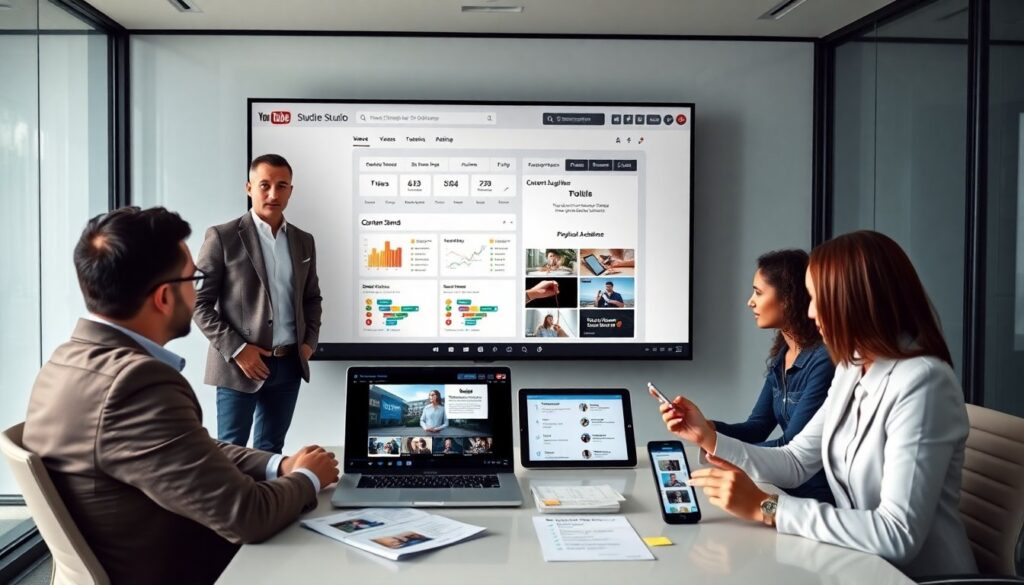
ytstudioyoutube brand management strategic helps creators set clear goals and attract the right viewers. The guide shows steps to define brand identity, organize channel elements, plan content, and grow audiences. It uses simple frameworks that teams can apply quickly. Readers will gain practical actions and metrics to measure results.
Key Takeaways
- Ytstudioyoutube brand management strategic guides creators to define a clear channel brand identity that targets a primary audience with specific content focus for consistent discovery.
- Optimizing channel architecture and metadata with keyword-rich titles, clear playlists, and engaging descriptions boosts visibility and watch time.
- A sustainable content strategy includes setting specific goals per series, planning a balanced content calendar, and conducting regular audits to focus on high-performing formats.
- Leveraging community engagement, cross-platform promotion, and diversified monetization like memberships and sponsorships strengthens viewer loyalty and revenue.
- Measuring success through KPIs such as views, watch time, and subscriber growth enables informed experiments to continuously improve channel performance.
Define Your Channel Brand Identity
Creators must state who the channel serves and what it stands for. The team should write a one-sentence brand promise that names the audience, the value, and the tone. The brand promise guides titles, thumbnails, and on-camera language.
Creators must pick a primary audience and two secondary audiences. The staff should list their needs and common search terms. The channel should choose one dominant content focus and two supporting topics to keep discovery consistent.
Channels should document do’s and don’ts for voice and visuals. The brand guide should name exact fonts, colors, and logo placement. The guide should include sample thumbnail treatments and a short script template for hosts. Teams should update the guide after each growth cycle.
The channel should test the brand in one month-long experiment. The team should run A/B thumbnail and title tests. They should measure view rate and average view duration. The test will confirm whether the brand elements increase watch time.
Optimize Channel Architecture And Metadata
The channel should arrange playlists to surface core series first. The team must create topical playlists that group videos by user intent. Playlists should use clear, searchable titles and concise descriptions.
Creators must optimize channel art, section order, and featured video for new visitors. The channel description should state the brand promise and include three top keywords. The team must place subscription CTAs early in the featured video.
Every video needs a strong title, a focused description, and precise tags. The title should contain the main keyword and one emotional or benefit word. The description should open with a one-line summary, then list timestamps and links.
Creators should use structured data in the description like timestamps and episode numbers. The team should add chapter markers to improve watch time. The channel should maintain consistent naming patterns for series and episodes.
Craft A Sustainable Content Strategy And Editorial Plan
The team must set clear content goals: awareness, retention, or conversion. The plan should assign one primary goal per series. The team must map each video to a funnel stage and a KPI.
Creators should build a content calendar that balances evergreen and timely videos. The calendar should list episode titles, formats, brief outlines, and owners. The team should set realistic production slots and reserve one day per week for edits.
The channel should plan batch shoots to save time and maintain quality. The team must create a repeatable preproduction checklist: script, props, shot list, and thumbnail concept. The checklist should reduce last-minute changes and improve release consistency.
The team should run a quarterly content audit. The audit should grade videos by watch time, retention, and search performance. The team must retire low-performing formats and double down on series that drive subscriptions.
Leverage Community, Cross‑Platform Promotion, And Monetization
Creators should build direct lines to fans through comments, community posts, and live streams. The team must schedule weekly interactions and highlight viewer contributions. The channel should use community posts for polls and short updates.
The channel should promote videos on social platforms with platform-specific edits. The team must create vertical clips for short-form feeds and trimmed highlights for social stories. They should use consistent branding across platforms.
Creators should diversify revenue with memberships, merch, affiliate links, and sponsored content. The team must evaluate sponsorships against the brand promise. The channel should disclose partnerships clearly and maintain viewer trust.
The team should use email or Discord to drive repeat views. The channel must send short, focused updates that point to new releases and top-performing videos. The team should test send frequency and message format.
Measure Success With KPIs, Analytics, And Growth Experiments
The team must track core KPIs: views, watch time, average view duration, click-through rate, and subscriber growth. The channel should set weekly and monthly targets for each KPI. The team must review targets in short meetings.
Creators should use experiments to validate changes. The team must run controlled tests that change only one variable at a time. The team should test thumbnails, titles, and video openings and measure lift in CTR and retention.
The analytics review should include traffic sources and search terms. The team must identify top search queries that bring viewers. The channel should create content to target those queries more often.
The team should document lessons from each experiment. The channel must keep a simple spreadsheet with experiment name, hypothesis, change, and outcome. The team should repeat successful tests at scale.