
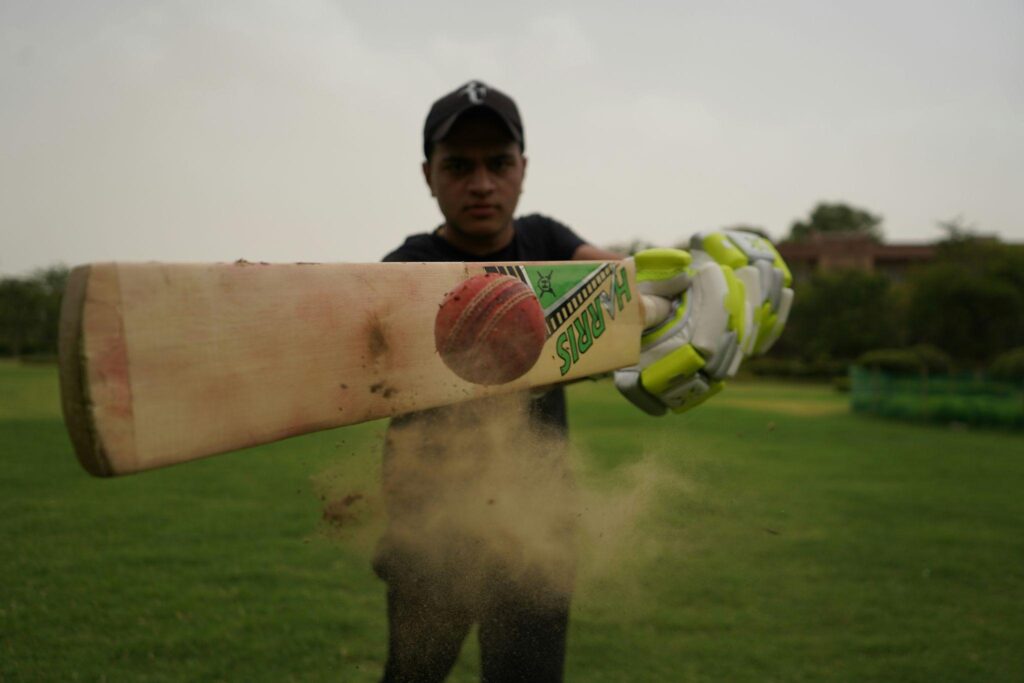
Picture a chase with 42 runs needed from 18 balls and two wickets in hand. A huge six lands in the stands and the crowd erupts, yet the batting side still loses. In live cricket betting, moments like this are exactly where markets swing fastest and where it is easiest to confuse excitement with real change.
On a desi live online cricket betting app, live odds update after almost every delivery. Understanding which events genuinely shift a match, and which only look dramatic, helps you read those markets calmly instead of reacting to every highlight.
Spectacle is not the same as impact
A spectacular shot can add six runs without changing the bigger picture. A quiet single that keeps a set batter on strike can matter more. The useful question is not “What looked amazing?” but “After which moment did the match situation really change?”
Read the pressure first
Before judging any event, check the situation around it. In a chase, four numbers matter most:
With 60 needed from 36 balls and four wickets left, a set batter’s run-out is a major blow. With 60 needed from 60 balls, the same run-out matters much less. Live odds react to the same logic.
Why some wickets move odds more than others
Not all dismissals have equal impact:
- Removing a batter on 70 from 45 balls can swing a T20 chase completely.
- Dismissing a newcomer who has faced two balls usually has a smaller effect.
- A run-out that breaks a big partnership can change momentum and confidence.
- A stumping or LBW against spin may signal that the pitch is starting to help bowlers.
Markets typically move most after wickets of established batters, especially late in an innings.
Conditions can rewrite the match
Sometimes the turning point is not a delivery at all:
- a slowing pitch makes boundaries harder to hit
- dew in the evening can help batting in the second innings
- rain interruptions can revise targets under the DLS method
- a bowling change or new field setting can stop the scoring
Watching how conditions change helps explain why odds shift even when no wicket falls.
First innings versus the chase
In the first innings there is no target, so markets focus on projected totals. Watch the score, overs, wickets lost and scoring rate to judge whether the batting side is building a strong total. In the chase, everything revolves around the required rate and wickets in hand. The same event can mean very different things depending on which innings you are watching.
How live markets respond
Live odds update to reflect the new balance after each key event. Common in-play markets include:
- match winner
- runs in the next over
- total runs for an innings
- next wicket method or next batter out
Odds can be suspended briefly during reviews or big moments, then reopen at new prices. Fast markets reward patience more than speed.
Avoid reacting to every highlight
The biggest risk in live cricket betting is chasing drama. A six or a wicket triggers strong emotions, and the next market is always seconds away. A few habits help:
- decide in advance which markets you will follow
- set a fixed budget for the match
- wait a ball or two after a big moment before acting
- remember that the broadcast may lag behind the live data
A simple framework for each key moment
- What was the situation before the event?
- What changed immediately afterwards?
- Did the effect continue over the next two overs?
- Did either captain change tactics?
Asking these questions keeps your decisions grounded in the match rather than the highlight reel.
Check the rules
Before betting live, read how markets are settled, what happens after rain or a reduced match and how suspensions work. Settlement rules can differ between formats such as T20, ODI and Test matches.
Bet responsibly
Live cricket betting moves quickly, so limits matter:
- set a spending limit before the toss
- never chase losses mid-match
- use deposit limits and reality checks in your account
- enjoy the cricket even when you are not betting
Bottom line
Real turning points come from wickets of set batters, pressure on the required rate and changing conditions, not just big hits. Read the situation before reacting, follow a clear plan and set your limits before the first ball.