
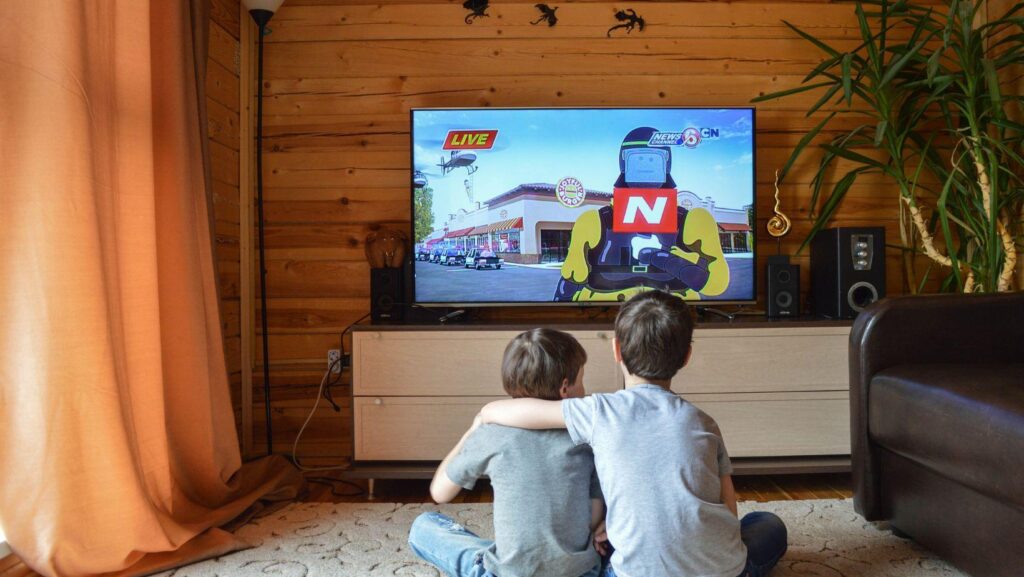
Entertainment is often the first thing people turn to when stress from work or household responsibilities builds up. Watching movies, listening to a live podcast, or playing mobile games gives them a welcome break from daily demands, allowing them to return to their tasks with renewed energy.
While entertainment can help you relax, making it the only source of relaxation can leave less time for your priorities. Most forms of digital entertainment, like online e-games, are easy to get absorbed in, which can keep you from your responsibilities and personal needs. Fortunately, there are several things you can do to enjoy digital entertainment while making room for other activities that support your well-being. Here are a few ways to find that balance.
1) Set a Reasonable Time Limit
Your entertainment time should fit around the rest of your day, not the other way around. A break that takes up too much time can cause you to rush through tasks or cut into your rest.
For this reason, consider how much time you need for other priorities before deciding how long your break should last. This way, you can set a limit that leaves enough time for your other needs. For instance, watching two episodes of your favorite series may be reasonable on an afternoon with few commitments. A busy evening, however, may call for something shorter like a quick session of slots from the best slot games collection.
Set an alarm to help you keep track of your chosen limit. The alarm must be loud enough to get your attention even while you’re focused on the activity. Once it goes off, avoid extending your sessions. Building this discipline can help prevent your entertainment from delaying something important, such as prepping a proper meal or getting enough sleep.
2) Choose Entertainment That’s Easy to Pause or Stop
The type of entertainment you choose can affect how easily you move on to other activities. Some options, such as online multiplayer games, live sports broadcasts, and livestreams, require you to stay until a session ends. The most satisfying parts of these options often come at the end, making it harder to step away. In this regard, selecting an activity that you can pause gives you more freedom to take care of other needs without feeling pressured to continue. Since you can save your place, you can return to the activity later and not miss any of the content.
An audiobook, for example, lets you pause the narration without finishing a chapter. You can stop listening to take a short walk, then return to the story later. This makes it easier to follow through on your plans instead of postponing them until your entertainment is over.
3) Avoid Using Entertainment During Other Activities
Entertainment can divide your attention even during activities you’ve already made time for. Having a meal with your friends, for example, can present a few opportunities to scroll through your social media feed. While checking a few posts may seem harmless, it can draw your attention away from your loved ones. This could lead you to miss much of the conversation despite spending the whole meal together.
Try setting a boundary between entertainment and other activities to help you give each part of your routine your full attention. It ensures that your screen doesn’t repeatedly interrupt what you’re doing, reducing the need to refocus after each distraction. Over time, this habit can make it easier to leave your phone alone during other activities, allowing you to concentrate on what truly matters in the moment.
4) Create a Tech-Free Zone at Home
Phones and other devices are often within reach at home. This can make it easy to open an app out of habit, even during a quiet moment. One way to break that habit is by creating a tech-free zone. This space must remain free of devices, helping you spend part of your day without digital entertainment.
The area doesn’t have to be a separate room for it to be effective. A comfortable chair in a corner of your living room can be enough to create a spot for quiet breaks. Keep entertainment devices outside that area, and leave your phone elsewhere before settling in. This gives you a place to rest without a screen immediately available to fill the silence.
5) Have a Screen-Free Option for Relaxation Ready
The convenience of digital entertainment can make it an automatic choice during a break. You can easily watch a short video, play a mobile game, or scroll through your social media feed with your smartphone. This might make it seem like other ways to relax require too much preparation to be worth the effort. Nevertheless, there are plenty of screen-free relaxation activities that are easy to start.
Breathing exercises, for instance, can be done anywhere you have a quiet moment, whether you’re sitting on your couch or at your desk at work. They also only take a few minutes to practice, making them easy to fit into a short break. Another option is going for a short walk outside. A familiar route near your home lets you enjoy a change of scenery without much preparation. Incorporating these types of activities into your routine can add variety to your downtime, reducing your dependence on digital entertainment to unwind.
All in all, entertainment can offer a welcome escape from daily demands. Just remember that too much of it can leave little room for other forms of self-care. A relaxing activity should help you feel refreshed even during a short break and not take over your entire routine. That being said, gradually lessening your reliance on digital entertainment for leisure time can give you more ways to unwind and help you meet your other needs.